

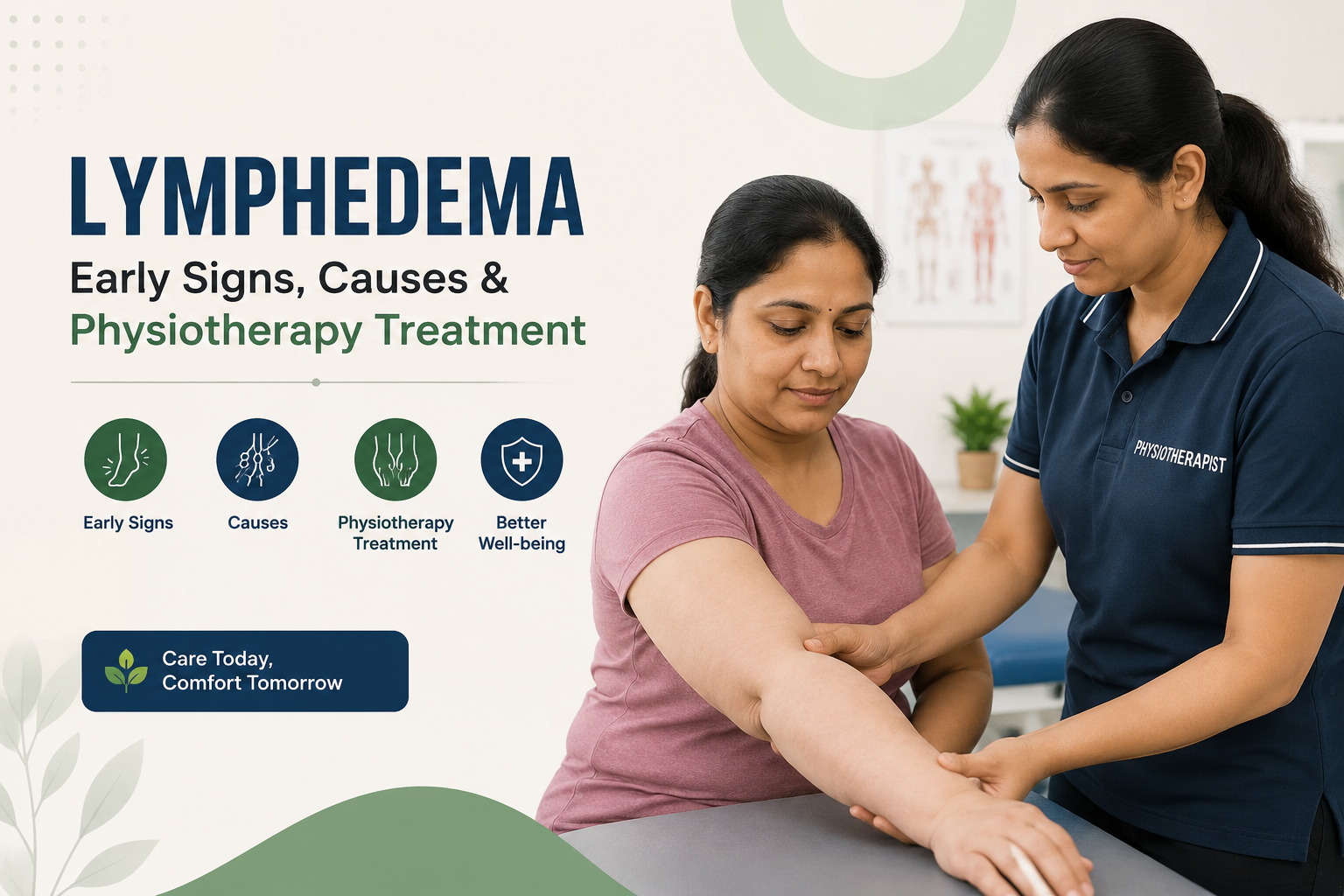
Lymphedema After Mastectomy or MRM: Symptoms, Causes and Management
Lymphedema after mastectomy is a possible complication of breast cancer treatment. It can cause swelling in the arm, hand, chest wall or nearby areas when the lymphatic system cannot transport fluid effectively.
Some women develop symptoms shortly after treatment, while others notice changes months or years later. Early assessment and appropriate management can help patients understand their condition and maintain everyday function.
What Is Lymphedema After Mastectomy?
Lymphedema occurs when lymphatic fluid accumulates in body tissues. The lymphatic system normally collects excess fluid and helps return it to the bloodstream.
A mastectomy involves the surgical removal of breast tissue. Some patients also undergo lymph node surgery, including axillary lymph node dissection. This may alter lymphatic drainage and increase the risk of lymphedema.
MRM generally refers to a modified radical mastectomy, which involves breast removal and axillary lymph node surgery, although the exact procedure depends on the patient’s treatment plan.
Not everyone who undergoes mastectomy develops lymphedema.
Symptoms to Watch For
Possible signs include:
- Swelling of the arm or hand on the affected side.
- Heaviness, tightness or discomfort.
- Reduced flexibility in the shoulder or elbow.
- A feeling that rings, watches or sleeves fit more tightly.
- Changes in skin texture.
- Swelling around the chest wall or underarm.
Symptoms vary between patients. Some people notice heaviness before visible swelling appears.
Why Does Lymphedema Develop After MRM?
Several factors may contribute to the risk:
Lymph node removal: Removing lymph nodes can change how lymphatic fluid drains from the arm and surrounding tissues.
Radiation therapy: Radiation involving lymph node regions may affect lymphatic vessels and surrounding tissue.
Infection or inflammation: These may aggravate swelling or complicate recovery.
Individual treatment factors: The extent of surgery, cancer treatment and personal health history can influence risk.
If you develop new swelling, do not assume that it is lymphedema without medical assessment.
How Is Lymphedema Assessed?
Assessment may include reviewing your surgical history, cancer treatment, symptoms and changes in arm size or function.
Depending on the findings, a healthcare professional may examine the affected area, measure limb circumference or volume, assess skin changes and consider other causes of swelling.
Further medical investigations may be needed if a blood clot, infection or another complication is suspected.
Physiotherapy for Lymphedema After Mastectomy
A qualified physiotherapist with appropriate lymphedema training may help develop a management programme.
1. Complete Decongestive Therapy
CDT is a commonly used approach for managing lymphedema. Depending on the patient, it may include compression, skin care, exercise and manual lymphatic drainage.
2. Shoulder Mobility
After breast surgery, some patients experience shoulder stiffness or difficulty lifting their arm. Suitable mobility exercises may help improve movement during recovery.
3. Progressive Exercise
Individualized exercise can support strength, flexibility and everyday activities. Exercise selection should account for healing, symptoms and any restrictions from the surgical or oncology team.
4. Skin Care Education
People with lymphedema should receive guidance on skin care and recognizing signs of infection. Redness, warmth, increasing pain or fever requires prompt medical assessment.
5. Long-Term Self-Management
Lymphedema may require ongoing management. Patients can learn to monitor symptoms and follow a care plan developed with their healthcare team.
Can Lymphedema Be Prevented After Mastectomy?
There is no guaranteed way to prevent every case. However, understanding personal risk, following postoperative guidance, maintaining suitable physical activity and reporting symptoms early can help support recovery.
Avoid extreme exercise restrictions or unproven prevention methods. Your care team can advise you about appropriate movement, compression and daily activities.
Frequently Asked Questions
Does everyone develop lymphedema after MRM?
No. MRM can increase the risk because lymph nodes are generally involved in the procedure, but many patients never develop lymphedema.
Can lymphedema appear years after surgery?
Yes. It can appear long after the original breast cancer treatment, so new or persistent swelling should be assessed.
Is lymphedema after mastectomy treatable?
Lymphedema is generally considered a chronic condition, but appropriate management may help control symptoms and support function. Individual outcomes vary.
Can I have an online consultation?
An online consultation can help review symptoms and discuss next steps. Some patients will still require an in-person examination or medical investigations.
Support for Your Rehabilitation Journey
If you notice swelling, heaviness or movement difficulties after mastectomy or MRM, speak with your healthcare team.
Stride Physiotherapy & Rehab provides rehabilitation guidance and online consultations for suitable patients. Contact the clinic to discuss your concerns and determine the next appropriate step.
Medical note: This article is educational and should not be used to diagnose or treat an individual condition.
If you notice swelling, tightness or heaviness, an online lymphedema assessment by video can check what is happening and plan next steps.
Related reading: Cancer rehab physiotherapy during and after treatment · Early signs of lymphedema
Our Physiotherapist