Breast Cancer Rehabilitation: Physiotherapy Support After Surgery and Treatment
Breast cancer treatment can bring several physical challenges, including shoulder stiffness, arm weakness, restricted movement, fatigue and swelling due to lymphedema. These difficulties can affect everyday activities, independence and overall quality of life.
Breast Cancer Rehabilitation focuses on addressing these physical challenges through individualized rehabilitation and appropriate physiotherapy guidance.
At Stride Physiotherapy & Rehab, our journey began with a simple yet deeply meaningful realization—that access to quality rehabilitation should never depend on geography, distance, or circumstance.
The idea for Stride was born in the serene mountains, from the home clinic of Dr. Shubhangi Sharma (PT), where she closely witnessed the importance of accessible, compassionate rehabilitation.
What Is Breast Cancer Rehabilitation?
Breast cancer rehabilitation is a specialized approach designed to help individuals manage physical limitations associated with breast cancer and its treatment.
It may be required after procedures such as lumpectomy, mastectomy, lymph node removal, chemotherapy or radiation therapy.
A physiotherapy rehabilitation programme may focus on:
- Improving shoulder and arm mobility.
- Addressing muscle weakness.
- Managing movement restrictions.
- Supporting lymphedema management.
- Improving posture and functional movement.
- Gradually returning to everyday activities.
The rehabilitation plan should always consider the patient’s surgery, medical condition and treating doctor’s recommendations.
Common Physical Problems After Breast Cancer Surgery
Some individuals experience physical difficulties during recovery, including:
1. Shoulder Stiffness
Restricted shoulder movement may make it difficult to lift the arm, reach overhead or perform everyday activities.
2. Arm and Upper Body Weakness
Surgery and treatment-related inactivity may contribute to reduced muscle strength and endurance.
3. Lymphedema
Lymphedema is swelling that may develop when the lymphatic system is affected by cancer treatment, particularly following lymph node removal or radiation therapy.
4. Postural Changes
Protective movement patterns, discomfort and muscle tightness may contribute to changes in posture.
5. Fatigue and Reduced Physical Endurance
Cancer-related fatigue may affect daily activities and make it difficult to return to previous activity levels.
How Physiotherapy Helps After Breast Cancer Surgery
Physiotherapy can play an important role in supporting recovery when appropriately planned.
1. Shoulder Mobility Exercises
Gentle, medically appropriate exercises may help improve shoulder movement and address stiffness following surgery.
2. Arm Strengthening
Progressive strengthening exercises may help restore upper-limb strength and support daily functional activities.
3. Lymphedema Rehabilitation
Complete Decongestive Therapy (CDT) may be recommended for suitable patients. It can include:
- Manual Lymphatic Drainage (MLD).
- Compression therapy.
- Skin care education.
- Therapeutic exercises.
The treatment approach depends on individual assessment and clinical suitability.
4. Posture Correction
Postural education and appropriate exercises may help address movement limitations and improve functional comfort.
5. Functional Recovery
Rehabilitation may include activities that help individuals gradually return to dressing, reaching, household activities and other daily movements.
When Should Breast Cancer Rehabilitation Begin?
Rehabilitation timing depends on the type of surgery, treatment stage, wound healing and medical advice.
Some rehabilitation activities may begin before surgery, while others are introduced gradually after surgery.
Patients should follow their surgeon’s recommendations and avoid starting exercises that have not been cleared by their medical team.
Why Choose Stride Physiotherapy & Rehab?
At Stride Physiotherapy & Rehab, we understand that recovery after breast cancer treatment involves more than physical exercise.
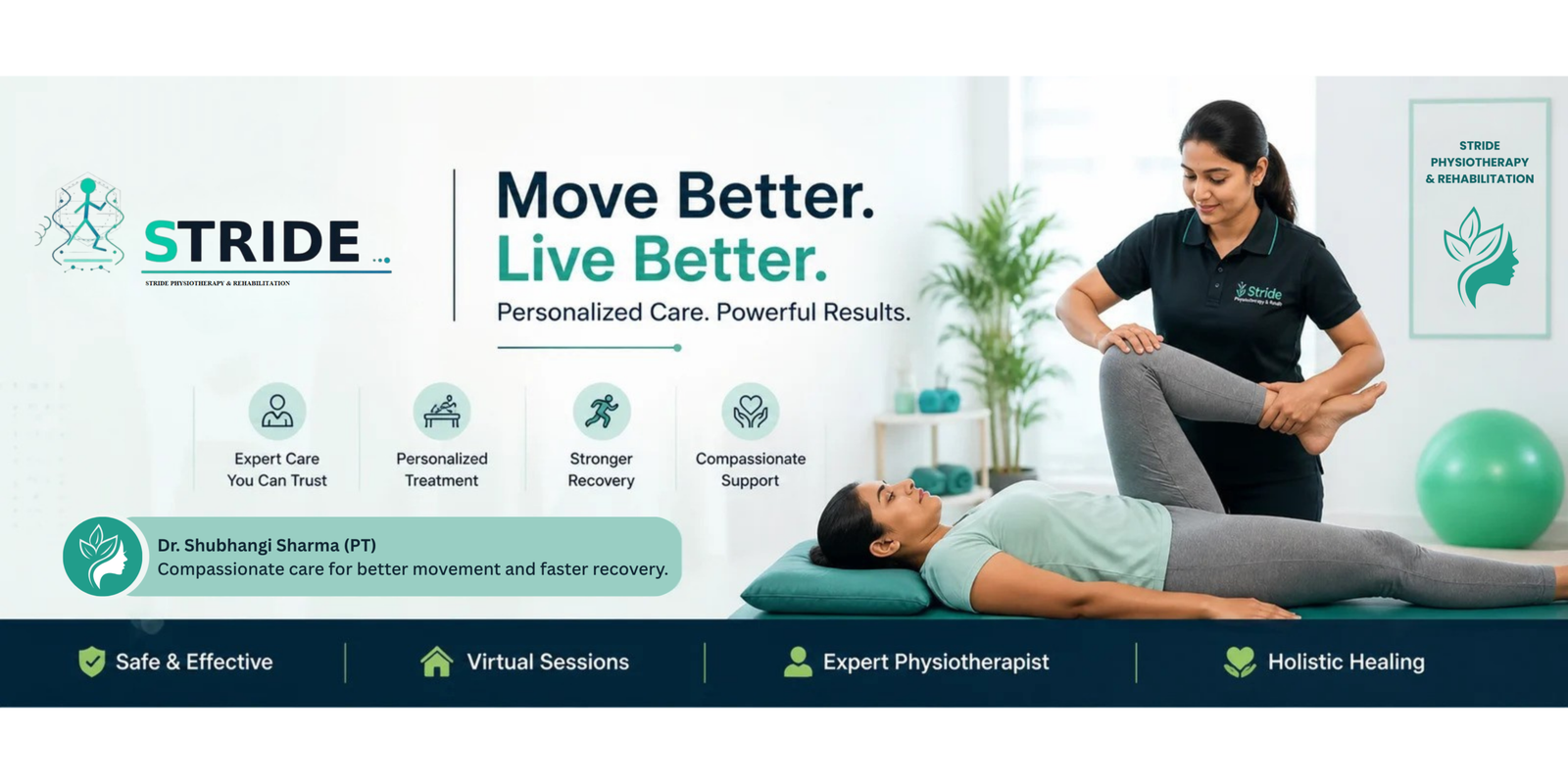
Under the guidance of Dr. Shubhangi Sharma (PT), Senior Physiotherapist with 6+ years of experience, our approach focuses on individualized rehabilitation and patient education.
Our rehabilitation services include:
- Breast Cancer Rehabilitation.
- Post-surgical physiotherapy guidance.
- Oncology Rehabilitation.
- Lymphedema Rehabilitation (CDT).
- Shoulder mobility and strengthening.
- Posture and functional movement training.
- Online physiotherapy consultations where appropriate.
Our goal is to support individuals in working towards improved mobility, physical confidence and functional independence.
Can Breast Cancer Rehabilitation Be Done Online?
Certain aspects of breast cancer rehabilitation can be supported through virtual physiotherapy consultations.
Online sessions may include movement guidance, exercise demonstrations, posture education and follow-up discussions.
However, physical assessments and specialized lymphedema interventions may require in-person care. The suitability of online consultation depends on individual clinical needs.
Frequently Asked Questions (FAQs)
1. Why is physiotherapy important after breast cancer surgery?
Physiotherapy may help address shoulder stiffness, arm weakness, movement restrictions and functional difficulties following surgery.
2. Can physiotherapy help with arm swelling after breast cancer treatment?
Yes. Specialized lymphedema rehabilitation may help manage swelling through appropriate interventions such as CDT, depending on clinical assessment.
3. When can I start shoulder exercises after breast cancer surgery?
The timing depends on the surgical procedure and recovery. Follow the surgeon’s instructions before beginning exercises.
4. Is breast cancer rehabilitation painful?
Rehabilitation should be individualized according to comfort, healing and medical condition. Exercises should not be forced through significant pain.
5. Can I consult a physiotherapist online after breast cancer surgery?
Yes, selected rehabilitation guidance can be provided online, subject to clinical suitability and medical clearance.
Take a Step Towards Better Recovery with Stride
Every breast cancer recovery journey is different. Appropriate rehabilitation can help individuals work towards better movement, improved strength and greater independence.
At Stride Physiotherapy & Rehab, we believe that quality rehabilitation guidance should be accessible, compassionate and centered around individual needs.
Connect with Dr. Shubhangi Sharma (PT) to discuss your rehabilitation requirements.
Website: https://stridephysio.co.in/
Contact: +91 93159 47437
Move Better. Live Fully.