

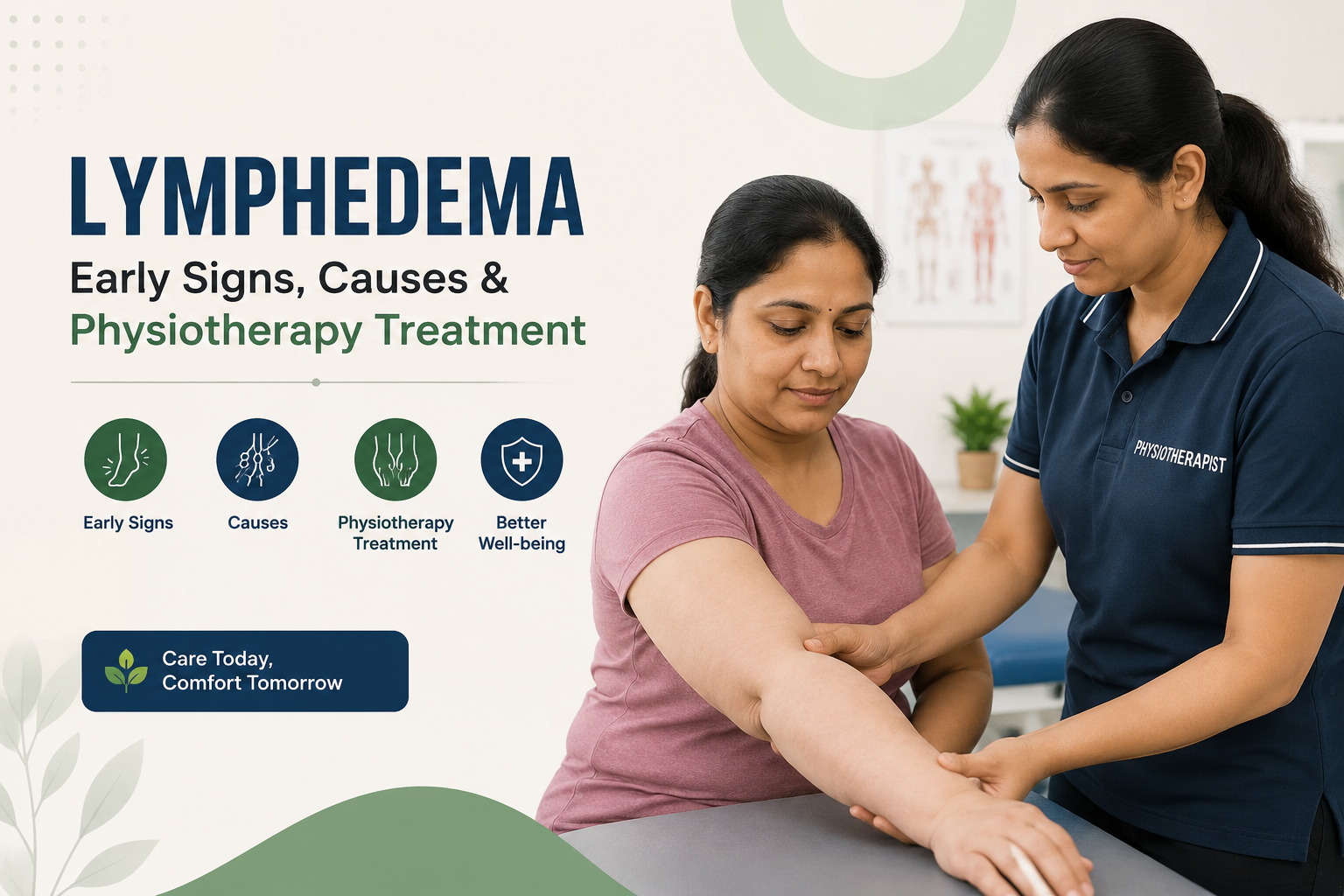
Lymphedema After Breast Cancer Treatment: Symptoms, Management and Physiotherapy
Breast cancer treatment can sometimes affect the lymphatic system and lead to lymphedema. This condition involves swelling that may develop when lymph fluid does not drain effectively. It can affect the arm, hand, chest, or nearby areas on the treated side.
Understanding the signs of lymphedema and seeking appropriate medical guidance can help people make informed decisions about their care.
At Stride Physiotherapy & Rehab, we provide information about rehabilitation services and lymphedema management. If you are searching for Stride Physiotherapy, lymphedema rehabilitation, or arm swelling after breast cancer treatment, this guide explains common symptoms, management options, and the importance of professional assessment.
It helps to know the early signs of lymphedema, such as tightness, heaviness or rings and sleeves feeling snug.
What Is Lymphedema?
Lymphedema is swelling caused by an accumulation of lymph fluid in body tissues. It can occur when lymph vessels or lymph nodes are damaged, removed, or affected by certain medical treatments.
After breast cancer treatment, some people may develop swelling in the arm, hand, breast, chest wall, or nearby areas. Lymphedema may appear shortly after treatment or develop months or years later.
Not all swelling after breast cancer treatment is lymphedema. A healthcare professional should assess new or unexplained swelling to identify its cause.
Common Symptoms of Lymphedema
Symptoms can vary from person to person. Possible signs include:
- Swelling in the arm, hand, breast, or chest area
- A feeling of heaviness or tightness
- Reduced flexibility or movement
- Clothing, watches, or jewellery feeling tighter on one side
- Changes in skin texture
- Discomfort or difficulty with some everyday activities
Early assessment is important because swelling may have several possible causes, including conditions that require prompt medical treatment.
Some people also notice arm swelling after breast cancer surgery; our guide explains what is expected and what needs checking.
Why Can Lymphedema Develop After Breast Cancer Treatment?
Breast cancer surgery may involve removing lymph nodes, while radiation therapy can affect lymphatic tissues. These changes may interfere with normal lymph fluid drainage.
The risk of lymphedema depends on several factors, including the type of treatment, the number of lymph nodes affected, and individual health circumstances.
Not everyone who receives breast cancer treatment develops lymphedema. However, learning about symptoms and following advice from the treating healthcare team can help with early recognition.
You can start with these gentle breast cancer rehabilitation exercises once your surgical team agrees.
How Is Lymphedema Managed?
Lymphedema management should be individualized according to the person’s symptoms, medical history, and clinical assessment.
A healthcare professional may recommend one or more of the following approaches when appropriate.
The treatment plan should be selected after assessment and adjusted according to the person’s response.
1. Compression Therapy
Compression garments or bandaging may help manage swelling for some people. The type, fit, and pressure should be determined with guidance from a suitably qualified professional.
Compression should not be started without appropriate advice, particularly when a person has other medical conditions affecting circulation or skin health.
2. Gentle Movement and Exercise
Appropriate movement may help maintain flexibility and support everyday function. Exercises should be introduced gradually and tailored to the person’s needs, treatment history, and symptoms.
People recovering from breast cancer treatment should follow their medical team’s guidance before beginning new exercise routines.
3. Skin Care
Good skin care is an important part of lymphedema management. Keeping the skin clean and moisturized, checking for cracks or injuries, and avoiding preventable skin damage may help reduce the risk of infection.
Redness, increasing warmth, pain, fever, or rapidly worsening swelling should be assessed urgently because these may indicate infection or another medical problem.
4. Education and Self-Management
Understanding symptoms, following an individualized management plan, and knowing when to seek medical advice can help people manage their condition more confidently.
A qualified professional can explain suitable self-management strategies and when reassessment may be necessary.
When Should You Seek Medical Help?
New swelling after breast cancer treatment should be evaluated by a healthcare professional rather than assumed to be lymphedema.
Seek urgent medical assessment if swelling develops suddenly, especially when accompanied by pain, redness, warmth, fever, or significant tenderness. Sudden arm swelling can have causes that require prompt treatment.
Breathlessness, chest pain, or other severe symptoms require emergency medical attention.
How Physiotherapy Can Support Lymphedema Rehabilitation
Physiotherapy may form part of a broader lymphedema management plan when delivered by a professional with suitable training and experience.
Depending on the assessment, rehabilitation guidance may focus on maintaining movement, supporting daily activities, explaining suitable exercises, and coordinating care with the treating medical team.
Stride Physiotherapy & Rehab provides information about lymphedema management and rehabilitation consultation options. Individual recommendations depend on clinical needs, and remote guidance may not be suitable for every situation.
Lymphedema Management at Stride Physiotherapy & Rehab
People looking for information about lymphedema management, rehabilitation, and arm swelling after breast cancer treatment can book an online consultation with our physiotherapist at Stride Physiotherapy & Rehab to discuss specific concerns and whether physiotherapy guidance may be suitable for their needs.
Our wider rehabilitation information also includes pain management, women’s health physiotherapy, post-surgical rehabilitation, and posture correction.
We encourage individuals to seek appropriate medical assessment and follow a personalized care plan based on their symptoms and treatment history.
Contact Stride Physiotherapy & Rehab
If you have questions about rehabilitation or lymphedema management, contact us to discuss your needs and enquire about available consultation options.
Website: https://stridephysio.co.in/
Phone: +91 93159 47437
Stride Physiotherapy & Rehab — personalized rehabilitation guidance focused on movement and everyday function.
Medical disclaimer: This article is for general educational purposes only and does not replace medical assessment, diagnosis, or an individualized treatment plan.
If you notice swelling, tightness or heaviness, an online lymphedema assessment by video can check what is happening and plan next steps.
Frequently asked questions
Can lymphedema after breast cancer go away completely?
Lymphedema is usually a long-term condition. With early care, skin protection, movement and suitable compression, many people keep swelling under good control.
When should I seek urgent help?
If the arm becomes red, hot, painful or you feel feverish, seek medical care the same day, as this can be an infection that needs treatment.
Related reading: Cancer rehab physiotherapy during and after treatment
Our Physiotherapist