Online Oral Cancer Rehabilitation: Recover Jaw Movement, Swallowing & Confidence from Home
Oral and head and neck cancer treatment can save lives, but it often leaves patients dealing with physical challenges that affect daily living. Surgery, radiation therapy, chemotherapy, or a combination of these treatments may lead to jaw stiffness, difficulty chewing or swallowing, changes in speech, and pain or tightness in the neck and shoulders. These problems can make even simple activities like eating, talking, or turning the head uncomfortable.
At Stride Physiotherapy & Rehabilitation, our Online Oral Cancer Rehabilitation program helps patients recover safely from the comfort of their homes. Through live video consultations, our experienced physiotherapists provide personalised rehabilitation plans designed to improve movement, swallowing, strength, and overall quality of life.
For neck and shoulder stiffness after radiation, see our page on head and neck cancer physiotherapy.
Common Challenges After Oral Cancer Treatment
Every patient’s recovery journey is different. However, many people experience similar problems after oral or head and neck cancer treatment, including:
- Jaw stiffness (Trismus)
- Difficulty swallowing (Dysphagia)
- Pain while chewing
- Reduced jaw opening
- Neck and shoulder stiffness
- Muscle weakness
- Surgical scar tightness
- Fatigue
- Changes in speech
- Difficulty returning to normal eating habits
Without proper rehabilitation, these symptoms may continue to affect comfort, nutrition, and independence.
How Online Oral Cancer Rehabilitation Helps
Swallowing difficulty, also called dysphagia, is one of the most common complications after oral cancer treatment. Some studies suggest remote rehabilitation can support recovery after head and neck cancer, alongside care from your treating team. Virtual physiotherapy also helps patients continue rehabilitation without the stress of frequent travel to hospital.
At Stride Physiotherapy, we begin every rehabilitation program with a detailed online assessment. Our physiotherapists review your medical history, treatment details, current symptoms, jaw movement, swallowing ability, neck mobility, and overall functional limitations. Based on this assessment, we create a personalised treatment plan that matches your recovery stage.
Stride offers online cancer rehab by video for people anywhere in India.
Personalised Rehabilitation Program
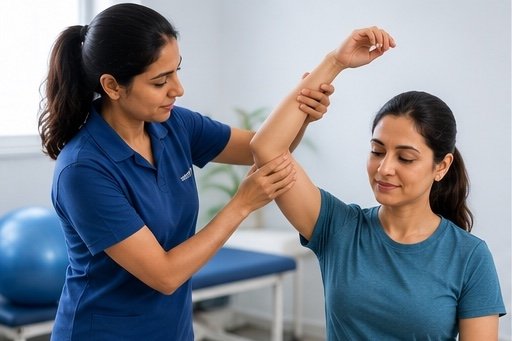
Our Online Oral Cancer Rehabilitation sessions are conducted live over secure video consultations. Every exercise is demonstrated by our physiotherapists, and patients practise each movement under expert guidance. We monitor your progress closely and modify the program whenever necessary.
Your rehabilitation program may include:
Jaw Mobility Exercises
Radiation therapy can reduce jaw movement by causing fibrosis, leading to trismus. Gentle stretching and mobility exercises help improve jaw opening, reduce stiffness, and restore comfortable movement.
Swallowing Therapy
Swallowing problems should be assessed and treated by a speech and language therapist. Physiotherapy can support this with jaw, neck and shoulder exercises, posture and breathing, alongside your speech and language therapist’s plan.
Neck and Shoulder Rehabilitation
Surgery and lymph node removal may lead to pain, tightness, and reduced movement in the neck and shoulders. Our physiotherapists guide gentle stretching, strengthening, and posture correction exercises to improve flexibility and reduce discomfort.
Breathing and Posture Training
Proper breathing techniques and posture correction reduce muscular tension, improve overall movement, and support better physical recovery.
Team-Based Recovery
When required, we work alongside your oncologist and speech-language pathologist to ensure your rehabilitation program complements your overall treatment plan.
Read how cancer rehabilitation physiotherapy helps with fatigue and weakness during and after treatment.
Benefits of Online Oral Cancer Rehabilitation
Choosing online rehabilitation offers several advantages for cancer survivors.
Patients can:
- Receive expert physiotherapy from home.
- Avoid unnecessary travel during recovery.
- Continue rehabilitation regardless of their location in India.
- Follow personalised treatment plans.
- Improve consistency with therapy sessions.
- Involve family members in the recovery process.
- Build confidence while recovering in a familiar environment.
Many patients feel uncomfortable travelling after surgery or radiation therapy due to fatigue, speech difficulties, or feeding tubes. Online rehabilitation removes these barriers and allows patients to focus on recovery.
Family Support Plays an Important Role
Family members often become an important part of rehabilitation. Our physiotherapists encourage caregivers to join sessions whenever possible. They learn safe ways to assist with jaw exercises, swallowing practice, and daily home routines. Regular family support improves motivation and helps patients stay consistent with their rehabilitation program.
Our goal is to help every patient regain confidence, improve daily function, and return to everyday life with greater comfort and independence.
Ready to Take the First Step?
Jaw stiffness and swallowing difficulties often become harder to manage when rehabilitation is delayed. Early intervention can improve recovery, restore movement, and make eating and speaking easier.
If you or your loved one is recovering after oral or head and neck cancer treatment, Stride Physiotherapy’s Online Oral Cancer Rehabilitation program offers expert support from the comfort of your home.
Meet Our Physiotherapist
https://stridephysio.co.in/about-us/
If you notice swelling, tightness or heaviness, an online lymphedema assessment by video can check what is happening and plan next steps.
When to Contact Your Doctor Urgently
Contact your doctor or cancer team promptly if you cough or choke when eating or drinking, have chest infections, lose weight without trying, or notice a new lump, ulcer or swelling in the mouth, face or neck. Get urgent help for difficulty breathing.
Frequently asked questions
How long do trismus exercises take to work?
Mouth opening often improves gradually over weeks to months with regular practice. Progress varies from person to person.
Should trismus exercises hurt?
A mild stretch is normal, but sharp pain is not. Ease off and ask your team for advice if pain persists.
Our Physiotherapist